November 2026 · Canadian Commercial Mortgages
By Nav Grewal, Principal Broker
The Canada Small Business Financing Program, explained for BC business owners.
If you run a small business and want to stop paying rent, the federal Canada Small Business Financing Program is one of the few routes where the government shares the lender's risk. It is not a grant, and you do not apply to Ottawa. It is a loan from your own bank or credit union, partly backed by the Government of Canada, and it works best for one situation: buying or improving the building your business operates from.
The short answer
The Canada Small Business Financing Program lets a business with gross revenues of $10 million or less borrow up to $1.15 million through its own bank or credit union, including up to $1 million as a term loan to buy or improve the commercial property it operates from, at a capped rate with a 2% registration fee.
| Feature | Program rule |
|---|---|
| Who qualifies | Start ups and existing small businesses in Canada with gross revenues of $10 million or less. Farming businesses are not eligible. |
| Total per borrower | $1.15 million |
| Term loans | Up to $1 million, which can include real property |
| Equipment and leaseholds | Up to $500,000 of the term loan limit |
| Intangibles and working capital | Up to $150,000 of the term loan limit |
| Line of credit | Up to $150,000 for working capital |
| Variable rate cap | Lender's prime rate plus 3% |
| Fixed rate cap | Lender's single family residential mortgage rate plus 3% |
| Registration fee | 2% of the loan, which can be financed |
| Government coverage | Up to 15 years. Amortization can run longer. |
Source: Innovation, Science and Economic Development Canada. Program terms are set federally and can change, and the lender confirms eligibility.
How does the program actually work?
The loan comes from a participating bank or credit union, on that lender's paperwork, at that lender's rate within the federal cap. What the program adds is a promise: if the loan goes bad, the Government of Canada absorbs a share of the lender's loss. That promise is why a lender may approve a small business it would otherwise decline, or lend more against a building than its own policy allows.
The government is paid for carrying that risk in two ways. The lender pays a 2% registration fee on the loan amount, which you can add to the loan. And the lender pays a 1.25% annual administration fee on the outstanding balance, which sits inside the rate cap, so in practice it is part of the rate you are quoted.
Since July 4, 2022, a term loan can be covered for up to 15 years. A building loan can be amortized over a longer period, but whatever balance is left after 15 years has to move to a conventional loan.
What can it pay for when you buy a building?
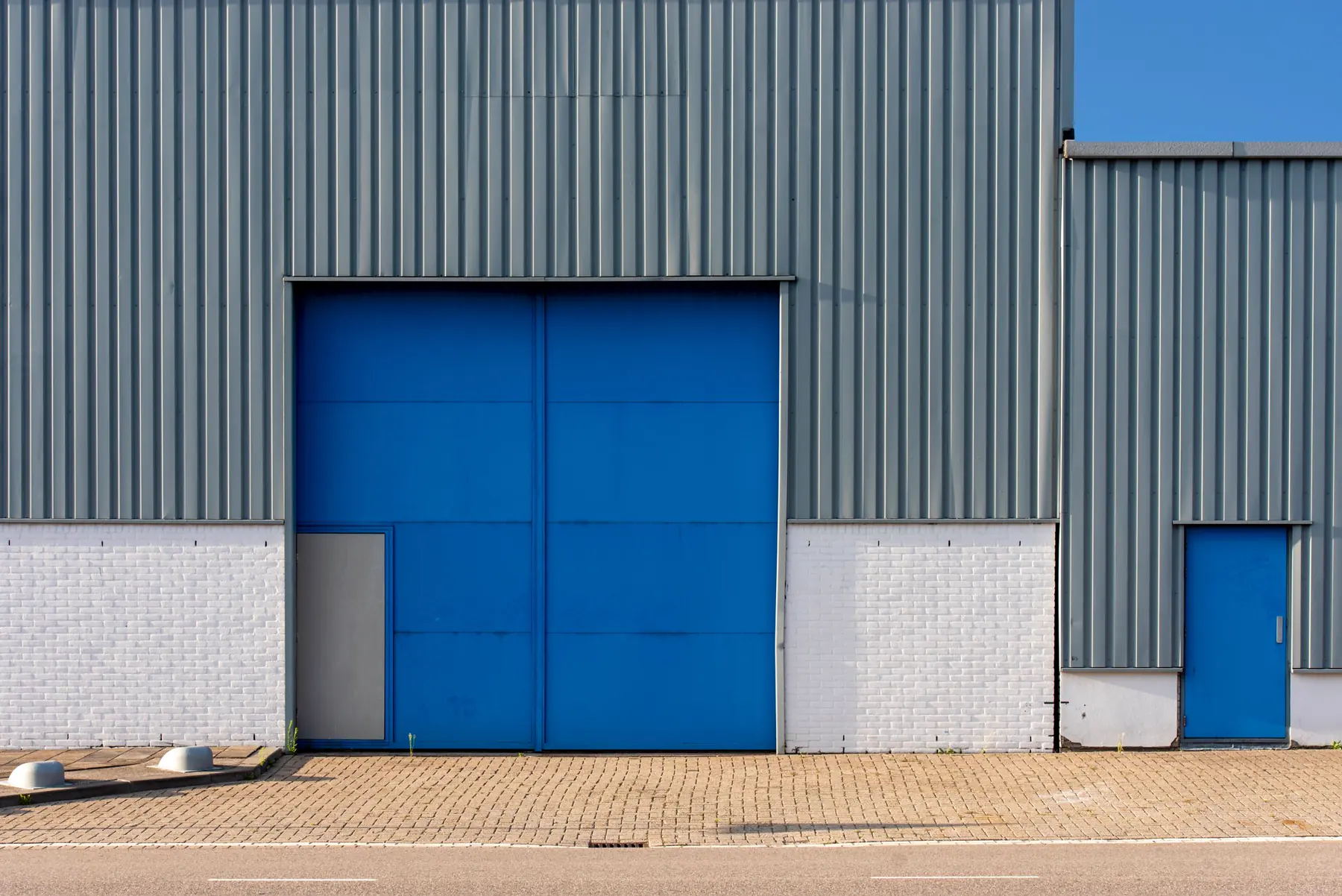
A term loan under the program can finance the purchase or improvement of real property used for commercial purposes. For a BC business owner that usually means a strata warehouse unit, a small industrial building, a shop with space above, or a clinic or office the business will occupy. Renovating premises you already own also counts.
The condition that matters is use. The property has to house your business. A building bought to lease to unrelated tenants is an investment, and it needs a conventional commercial mortgage sized on its rents instead.
Where the program falls short in BC
The ceiling. The $1 million term loan limit covers the whole loan, not the price, and commercial premises in the Lower Mainland and the larger interior markets often cost more than the program alone can carry. The rest of the purchase has to come from your own equity, a conventional first mortgage, or both, and every lender in the stack has to agree on who ranks first.
The cost is also not as low as the word "government" suggests. The registration fee and the administration fee are real, and a strong business with a solid down payment may do as well or better with a conventional owner occupied commercial mortgage, which is sized on the business's cash flow and the building's value rather than a federal cap.
Finally, the guarantee does not change the underwriting. The lender still reads your financial statements, still asks for security, and will usually still ask for a personal guarantee. Ask what it requires before you sign anything.
Program loan or conventional mortgage?
| Program loan | Conventional owner occupied mortgage | |
|---|---|---|
| Loan size | Up to $1 million as a term loan | Set by business cash flow and property value |
| Rate | Capped by federal rules | Negotiated with the lender |
| Government fees | 2% registration, 1.25% a year inside the rate | None |
| Who decides | Your bank or credit union | Bank, credit union or other lender |
| Best fit | Smaller purchases and newer businesses lenders see as thin | Established businesses and larger buildings |
How do you apply?
01
Confirm the business qualifies.
Gross revenues of $10 million or less, not a farming business, and the property will house the business itself.
02
Price the whole purchase.
If the building costs more than the program can lend, work out where the rest comes from before you approach anyone: your own equity, a conventional first mortgage, or both.
03
Go to a participating lender.
Most financial institutions take part. Bring your recent business financial statements, the purchase contract and a plan for the space.
04
Let the lender register the loan.
The lender approves it on its own credit standards and registers it with the federal government. The 2% registration fee can be added to the loan.
When to wait
If your business cannot yet show from its own statements that it carries the payment, taxes and upkeep of a building on top of running costs, the program will not fix that, and owning can strain the business more than rent ever did. Another year of clean statements often opens better options than stretching now. And if the honest plan is to lease most of the building to others, this is the wrong tool. Read buying a building for your business for the wider decision.
Program questions we hear most.
Keep reading
Related reading and tools
Buying the building you work in?
Tell us the property, the price and how long the business has been operating. We will tell you whether the program fits, and how the rest of the purchase gets financed.