
Mixed use property mortgage in BC
Shops below, apartments above. A classic British Columbia main street building, and a file that sits between two lending worlds.
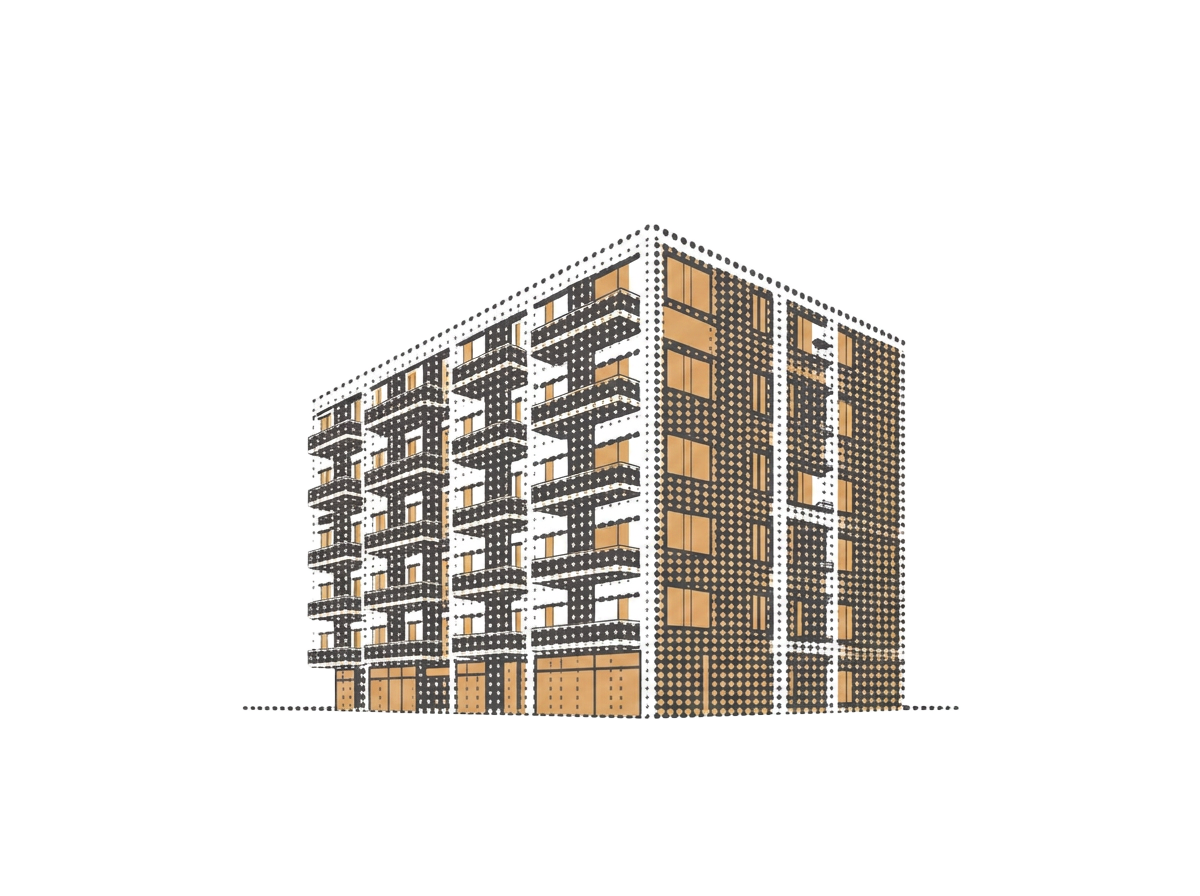
The building type
Residential over commercial is everywhere across British Columbia: three or four storeys of rental suites above a row of ground floor shops on a high street in Vancouver, New Westminster, Langley or Surrey. Owners like the diversification, since retail leases carry longer terms while apartments keep occupancy steady. Lenders like it too, in principle. The complication is that the two income streams behave differently and are evaluated by different rules inside the same institution.
How lenders split the underwriting
The rent roll gets separated. Residential suites are valued on market rents, turnover and the local vacancy rate. Commercial units are valued on the leases themselves: term remaining, covenant strength of each tenant, renewal options and how much of the operating cost is recovered. The commercial share of income and floor area then decides which lenders can look at the file at all, and it drives leverage, amortization and the debt service coverage target the underwriter applies. A building that is 85 percent residential prices close to an apartment. One that is half retail prices like retail.
When CMHC programs apply
Insured multi unit financing is available on mixed use buildings where the commercial component stays small relative to the residential. When it fits, the difference is large: higher leverage, amortization well beyond conventional limits and a materially lower rate. That can also make MLI Select worth scoring on a new build with retail at grade. Where the commercial share is too big, the file goes conventional and the structure changes with it.
Why these files need a commercial broker
Mixed use lands in the gap. Residential departments cannot underwrite the leases, commercial departments sometimes see the deal as too small, and the same property gets three different answers from three lenders depending on how each one treats the commercial share. Knowing in advance which lenders welcome the class, at what percentage split, and how each presents the residential income is the whole job. That gap is what puts mixed use on many lenders' hard to finance property list. Learn more about multifamily financing for the residential side of the equation.
Mixed use questions.
Got a main street building?
Send the rent roll and the leases. We will tell you which side of the split your property falls on and who will fund it.