
Self storage financing in BC
A class lenders have warmed to, provided the occupancy record and the local supply picture hold up.
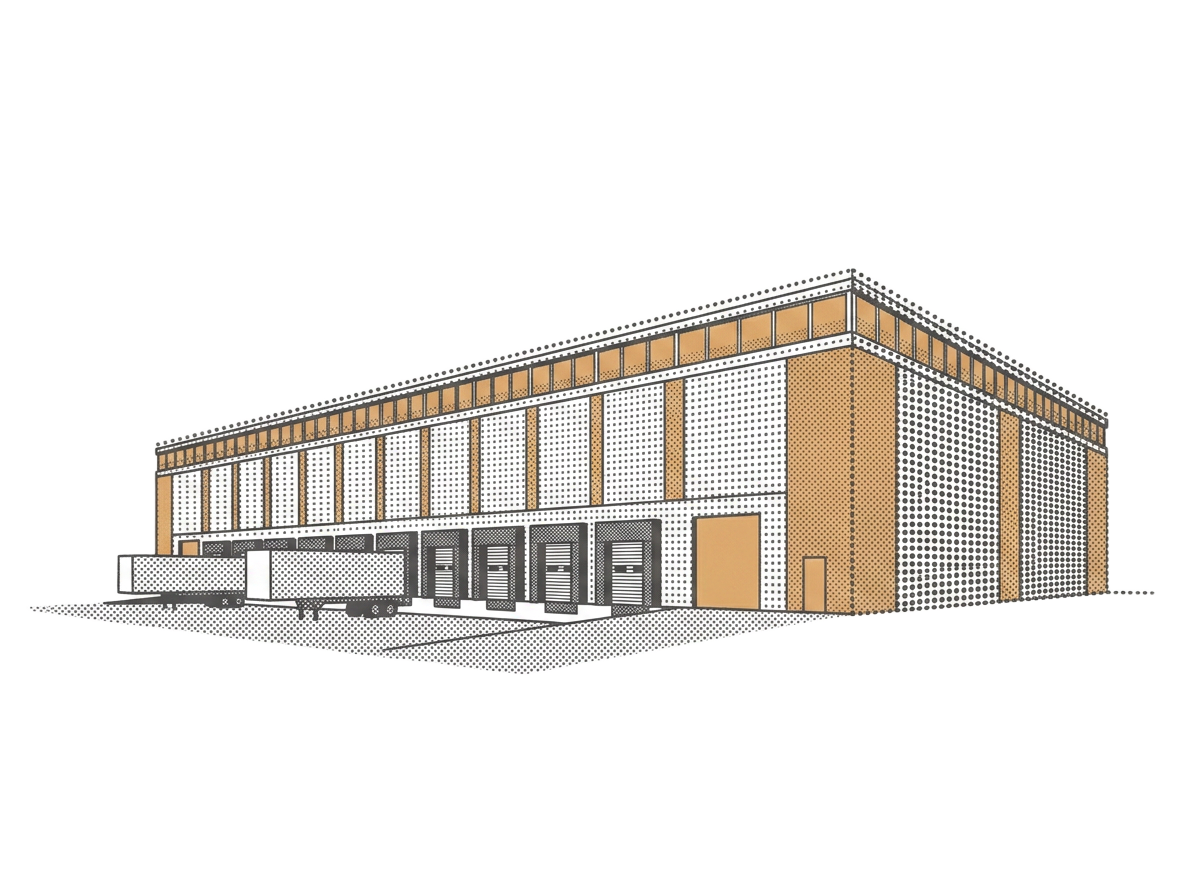
Why lenders like the class
Demand is sticky. Once a tenant moves belongings into a unit the cost and hassle of moving them again keeps them there, and rate increases stick better than in almost any other rental asset. Operating costs are modest and there is virtually no tenant improvement spend, so a large share of revenue reaches net operating income. Income is also granular: hundreds of small tenants mean no single departure damages cash flow, in contrast to a single tenant industrial building where one vacancy takes the whole rent roll to zero. That appetite is why storage no longer sits alongside the genuinely hard to finance property classes, though the income is still read differently from a leased building.
What lenders look at
Occupancy history comes first, ideally 24 to 36 months by month and by unit size, so the underwriter can see stability rather than a single strong quarter. Then unit mix, because small units rent at a far higher rate per square foot and a facility weighted to large drive up bays earns less on the same footprint. Competition within a short driving radius matters greatly, including any facility under construction nearby, since new supply resets rates quickly in a submarket. Finally, management: pricing discipline, delinquency handling, security and whether the site runs on a professional platform.
Existing facilities, construction and expansion
A stabilised facility with a documented occupancy record finances like good quality commercial real estate: conventional term debt at 65 to 75 percent of value, with the debt service coverage test frequently setting the loan size before the leverage cap does. New construction is a different product, advanced in draws against cost to complete with a defined takeout once the building leases up. Expansions sit in between, underwritten on the performance of the existing phase plus a realistic absorption assumption for the new units. Our construction financing page covers how the draw process works.
Self storage questions.
Buying, building or expanding?
Send the occupancy report and unit mix. We will size the loan and name the lenders who fund storage in British Columbia.