
Gas station mortgage financing in BC
One of the hardest classes to place, and one where lender access decides the outcome.
The short answer
A gas station commonly finances at 50 to 65 percent leverage with 35 to 50 percent down, a Phase 1 environmental assessment on every file, and a term of 3 to 5 years with personal guarantees.
| What | Typical | Why |
|---|---|---|
| Leverage | 50 to 65 percent | Below generic commercial, because recovery depends on selling to another operator |
| Down payment | 35 to 50 percent | Depends on the environmental picture, the fuel volume and your operating history |
| Environmental | Phase 1 on every file, Phase 2 where site history, tank age or records suggest a concern | Remediation liability can attach to the land long after a sale |
| Term | 3 to 5 years, personal guarantees standard | Amortization is shortened to reflect the special purpose nature of the asset |
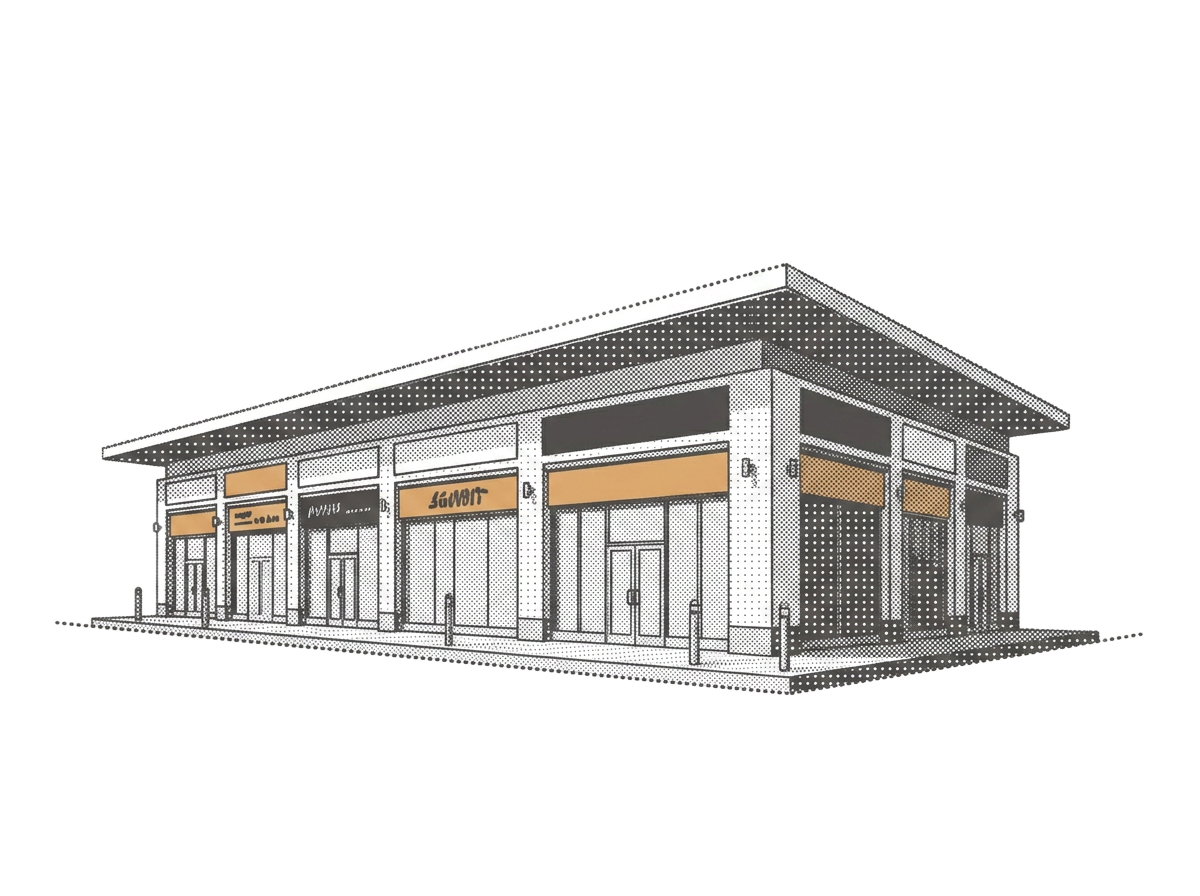
Why gas stations are hard to finance
Three things push this asset outside a normal commercial credit box. Environmental risk comes first: underground storage tanks, historic spills and remediation liability can attach to the land long after a sale, and a lender taking security also inherits exposure. Second, a station is special purpose. Strip out the fuel business and the building has little alternative use, so recovery in a default depends on selling to another operator rather than to the wider market. Third, income is tied to a fuel supply agreement whose term, volume commitment and margin structure the lender has to read before it can size anything.
What lenders want to see
Expect a Phase 1 environmental assessment on every file and a Phase 2 with sampling wherever the site history, tank age or records suggest a concern. Alongside that, lenders want the full site history including tank installation and replacement dates, three years of fuel volume by grade, convenience store and car wash sales, the supply agreement itself, and financial statements for the operating company. Operator experience carries real weight here. A borrower who has run stations before is a different credit from a first time buyer, even on the same site. The deal submission checklist covers the borrower side documents.
Typical structure
Leverage sits below generic commercial. Where a well leased retail building might reach 70 percent, a station commonly lands between 50 and 65 percent, with amortization shortened to reflect the special purpose nature of the asset. Terms of 3 to 5 years are normal and personal guarantees are standard. Because several institutional lenders decline the class as a matter of policy, the practical work is knowing which banks, credit unions and alternative lenders in British Columbia are currently active on fuel sites and what each one needs before it will look. That is where broker access changes the answer from no to a term sheet. It is the pattern behind almost every hard to finance property file we take on.
Gas station financing questions.
Have a station under contract?
Send us the site, the volumes and the environmental reports you have. We will tell you quickly which lenders can fund it.