
Financing purpose built student housing
Rental underwriting with three differences, each of which a lender will want tested before it sizes the loan.
The short answer
Purpose built student housing is underwritten as rental, but with three differences a lender will focus on: the leases are short and turn over together, the demand is tied to one institution, and the unit mix looks nothing like a conventional apartment building. Where it qualifies as rental housing it can be an insured file.
- Turnover is seasonal and near total, so the lender tests what happens in a weak intake year.
- Demand concentration on a single campus is the main risk a lender prices.
- By the bed underwriting behaves differently from by the unit, and the appraisal has to reflect that.
- Where the building is genuinely rental housing, CMHC insured programs may apply, which changes the leverage and amortization available.
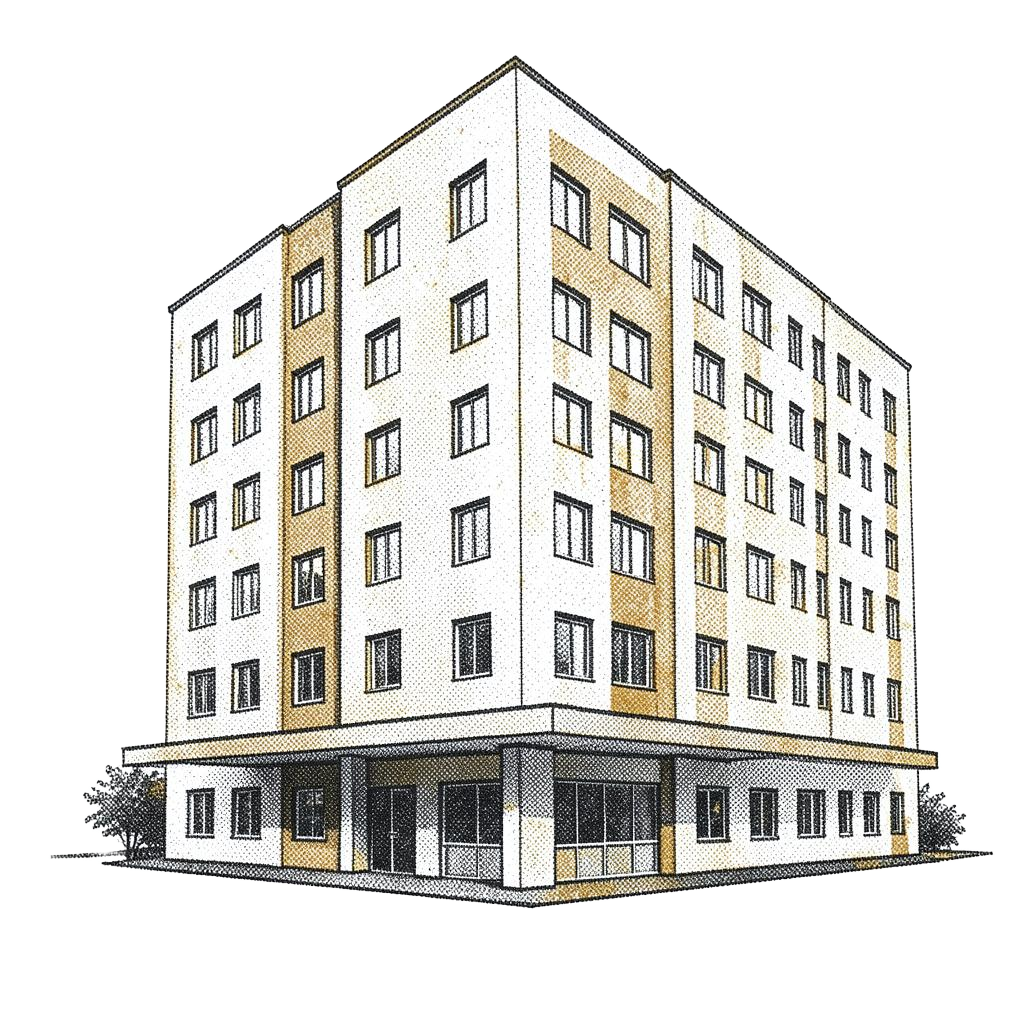
What lenders actually worry about
Concentration risk, before anything else. A conventional apartment building draws tenants from an entire city, so a single employer closing or a single sector softening barely moves the rent roll. A student building draws from one institution. Strip that away and the demand is not thin, it is gone. So the lender is really underwriting that institution's enrolment, and it will say so.
This is why a building beside a large established campus is a materially different file from one beside a small one. Scale, stability, the mix of domestic and international enrolment and how much housing the institution provides itself all feed into how confident a lender is that the beds fill every September. None of that is about your building. It is about the catchment your building depends on.
Leases, turnover and the summer
In a conventional building, turnover is spread across the year and a handful of vacancies at any moment is normal. In a student building the whole tenancy base can turn over in the same month. That concentrates the leasing risk into a short window and puts real weight on the operator, because a slow spring cannot be recovered later in the year.
The direct consequence for the loan is that revenue assumptions have to survive a soft year. Lenders will discount pro forma rents that assume full occupancy through the summer, and they will look for evidence behind any summer income you are counting on. Build the model on what the building produces in a weak intake, then treat anything above it as upside rather than as the basis for the debt.
Where the insured path fits
Purpose built rental that houses students can be rental housing for program purposes, which brings the insured route into play. That matters more than anything else on this page, because the insured path changes what the file looks like from the ground up.
We do not set out the leverage or amortization here, because those numbers belong with the programs themselves and they move. Start with CMHC insured financing in BC for how insurance works and why insured pricing sits where it does, then MLI Select for the program most new rental is built under, and affordability points for the commitments that drive the leverage. Whether a specific student building qualifies is a question we test against the program before anyone plans around it.
British Columbia specifics
Purpose built student rental shows up around the larger campuses, and the ordinary situations are easy enough to name. Metro Vancouver carries the deepest demand and the highest land cost, so projects there are usually taller and tighter on margin. Victoria, Kelowna, Kamloops, Nanaimo and Prince George each host institutions with catchments that pull students into local rental markets that were not built for them.
We place files in these markets alongside everything else. Local context sits on our Vancouver, Victoria, Kelowna and Nanaimo pages, and the conventional side of rental underwriting is covered on our multifamily financing page.
Student housing questions.
Related reading
Financing beds rather than units?
Send the rent roll or the pro forma and the campus it serves. We will tell you how a lender will read it and whether the insured path is open.