
Commercial mortgage down payment: how much you need
Equity requirements by asset type in British Columbia, and the structures that close a gap.
The short answer
Plan on around 25 percent down on conventional multifamily, 25 to 35 percent on retail, office and industrial, and 40 to 50 percent on land, with insured multifamily reaching up to 95 percent leverage on a project scoring 100 points.
| Asset type | Down payment | Why |
|---|---|---|
| Multifamily, conventional | Around 25 percent | The deepest end of the market, before the insured route changes the arithmetic |
| Multifamily, MLI Select | Roughly 5 percent plus closing costs and the premium | Needs 100 points on affordability, energy and accessibility. Fewer points means less leverage |
| Retail, office and industrial | 25 to 35 percent | Credit tenants and owner occupied buildings sit lower. Special purpose space and lease rollover sit higher |
| Land and development | 40 to 50 percent | More if the site is unserviced or the rezoning is speculative |
| Closing costs | Roughly 2 to 4 percent of the price on top | Property transfer tax, legal, appraisal, environmental and lender fees, wanted in cash after closing |
Multifamily
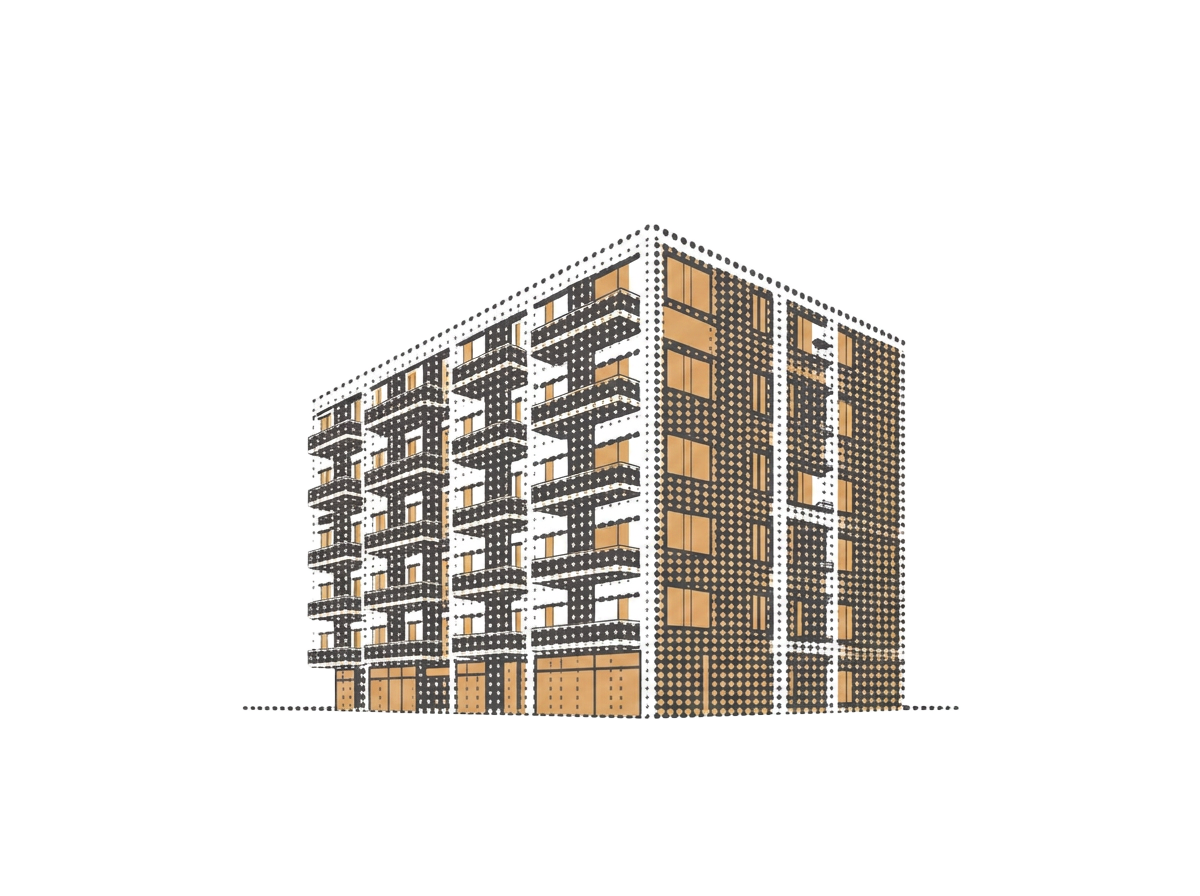
Conventional apartment financing generally needs around 25 percent down. The insured route changes the arithmetic: CMHC MLI Select can reach up to 95 percent leverage for projects scoring 100 points on affordability, energy and accessibility, so equity can fall to roughly 5 percent plus closing costs and the premium. Fewer points means less leverage, which is why scoring the project early matters. Try the MLI Select calculator before you set your equity budget.
Retail, office and industrial
Plan on 25 to 35 percent. Well leased industrial with credit tenants and owner occupied buildings with a strong operating business sit at the lower end. Office, single tenant special purpose space and properties with lease rollover inside the term sit higher. Remember that the loan is also capped by debt service coverage, so on a low cap rate building the income test can require more equity than the leverage limit does.
Land and development
Raw land is the most equity hungry asset there is: expect 40 to 50 percent down, more if the site is unserviced or the rezoning is speculative. Land with approvals in hand, servicing available and a credible development timeline finances better. Construction financing is sized differently again, on cost to complete and the appraised value on completion, with your equity usually required to go in first.
Ways to bridge a gap
When the equity is short, structure fills the space. Vendor take back financing, where the seller carries part of the price as a second mortgage, is common on private sales and costs nothing at closing, though the first lender has to consent to it. Secondary financing from a private lender can top up the first, but only where the first lender permits it in writing. Equity partners and joint ventures trade ownership for cash. Cross collateralising another property you own is often the cheapest option of all. Each of these changes your cash flow and your risk, so price them properly before choosing.
Down payment questions we hear most.
Find out what your deal really needs.
Tell us the property and the equity you have. We will tell you what is achievable and how to structure the rest.