
Industrial mortgage financing in British Columbia
The tightest asset class in the province. Lenders want it, so the negotiation is about terms, not about whether anyone will look at the file.
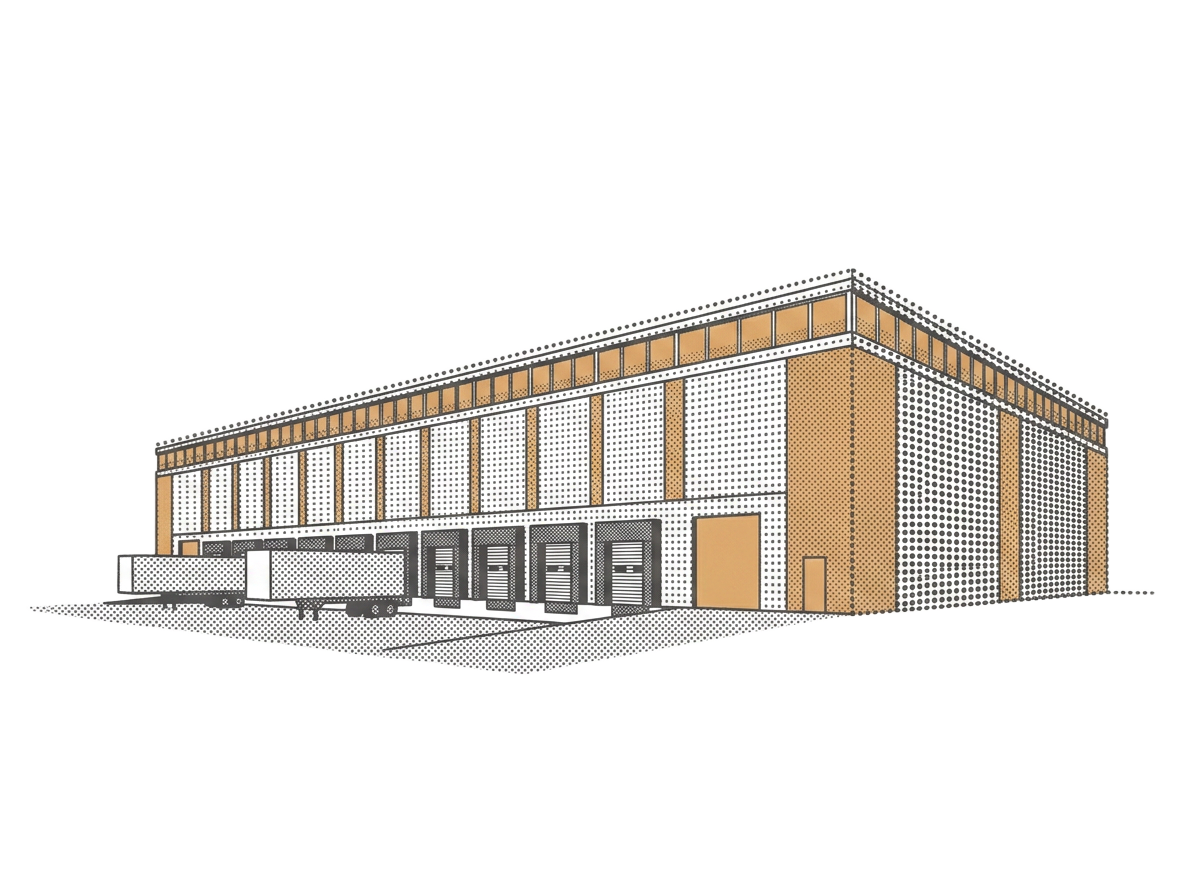
Why lenders favour industrial
Vacancy across Metro Vancouver industrial has sat near the bottom of the country for years. A warehouse or flex building that comes back to the market usually re lets quickly and often at a higher rent, which is exactly the risk profile an underwriter wants. Tenant covenants tend to be operating businesses with real revenue rather than discretionary retail, and the buildings themselves are simple to value. That combination earns industrial one of the tightest spreads on any conventional commercial rate sheet.
Owner occupied versus investor held
If your company will occupy the building, the underwriting runs through the operating business: two or three years of financials, the strength of the cash flow and how the rent you were paying converts into a mortgage payment. Leverage often reaches 75 percent and can go higher with government backed small business programs. An investor held building is underwritten on the rent roll instead, so lease term remaining, escalations and tenant quality set the loan amount, and the debt service coverage test usually caps it before the leverage cap does.
What a lender wants to see
Lease abstracts for every tenant, showing term, rate, escalations, renewal options and who pays what. An environmental Phase 1, which on industrial land is close to automatic given prior site uses, with a Phase 2 if anything is flagged. And the physical specification, because it drives re lettability: clear span, ceiling height, loading doors, power service and yard area decide how wide the pool of replacement tenants is. A 28 foot clear building with grade and dock loading finances differently from a low ceiling shop with one door.
The Metro Vancouver land constraint
Mountains, water, the agricultural land reserve and the border leave very little servicable industrial land in the region. New supply cannot arrive quickly, so land value carries a large share of the appraised value and appraisers frequently support numbers well above replacement cost of the building alone. Lenders understand this, which helps on leverage, and it is why owners in Vancouver and in newer nodes such as Campbell Heights can often refinance into more equity than they expect.
Typical structures
Conventional term debt at 60 to 75 percent of value on a five year term with a 20 to 25 year amortization covers most purchases and refinances. Owner occupied files reach for the top of that leverage band. Equity take outs against a long held building are common and fund the next purchase. Where a tenant is moving in or out, a short term bridge carries the file until the income stabilises. Our industrial property financing page sets out the full range.
Industrial questions.
Where we finance this in British Columbia
Buying or refinancing industrial?
Send the leases or the business financials. We will size the loan and take it to the lenders bidding hardest on British Columbia industrial.