
Stop paying your landlord's mortgage.
Every rent cheque leaves the business permanently. The same money against a purchase builds something you own. That is the appeal, and it is often right, but not always.
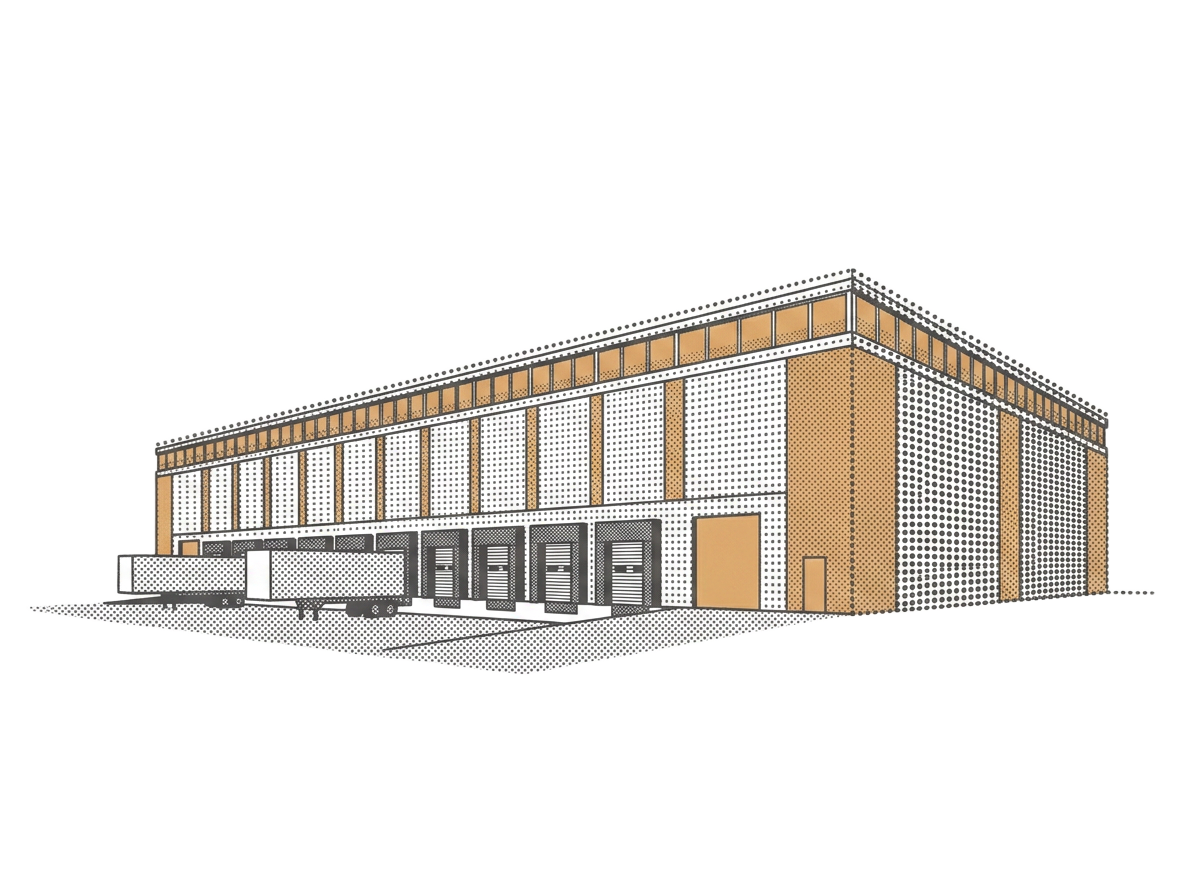
The situation as you experience it
You have leased the same space for years. Every renewal the rent goes up, the landlord asks for a longer term, and you are asked to pay for improvements to a building you will never own. Meanwhile a comparable unit down the road is for sale and the mortgage payment on it looks a lot like your rent.
The instinct is sound. The question is whether the numbers and the timing support it.
Why buying often makes sense
Rent is an expense that ends when you stop paying it. A mortgage payment splits between interest, which is a cost, and principal, which is equity you keep. Over a ten year hold that difference compounds into a real asset, frequently the largest one a small business owner ends up with.
Occupancy cost also becomes predictable. Instead of a renewal negotiation every five years against a market you do not control, you have a known payment and a term you chose. For a business planning capacity or hiring, that certainty has value beyond the arithmetic.
There is a financing reason too, and it is the one lenders care about. Owner occupied files are often the cleanest commercial deals available, because the tenant and the borrower are the same party. In an investment purchase the lender is taking two risks: will the building stay leased, and will the borrower stand behind it. Here those two collapse into one. The lender can read the occupier's financial statements directly rather than guessing at a tenant's covenant, and vacancy risk is effectively your own business risk, already being underwritten.
What your options actually are
Conventional owner occupied financing. The standard route. Expect 25 to 35 percent down depending on the property type, with the business financial statements carrying the underwriting and a personal guarantee in most cases. Amortisations are typically shorter than residential, so the payment is higher than a rate comparison alone suggests. The down payment page sets out the equity requirements by asset type.
Government backed small business programs. Certain purchases and improvements qualify for small business lending programs that can reduce the equity required. They carry eligibility limits, registration fees and paperwork, so they are worth checking rather than assuming, and they do not suit every purchase. The mechanics of all of this, including the program limits and the structure lenders expect, are covered on the owner occupied commercial mortgage page.
Hold the property in a separate company. A holding company owns the real estate and leases it to your operating company. This is common, lenders are entirely used to it, and it keeps the building insulated from business risk while making succession or a future sale cleaner. It also has genuine tax and estate implications, including how the rent between the two companies is set, so confirm the structure with your accountant before the offer rather than after.
If the building is industrial, the BC industrial mortgage page covers how that asset class is underwritten.
When leasing is the better answer
Ownership ties up capital that the business might use better. Thirty percent down on a two million dollar building is six hundred thousand dollars that is no longer available for inventory, equipment or hiring, and the return on those things is sometimes higher than the return on the real estate.
You also inherit the building. Roof, envelope, parking, tenant improvements and environmental responsibility all become your problem, and they arrive on their own schedule rather than yours.
Most importantly, ownership is a long decision. If there is a reasonable chance the business outgrows the space in three years, buying is the wrong tool: transaction costs on both ends will erase the equity you built. Leasing preserves the flexibility, and for a growing business flexibility is frequently worth more than the equity.
What we would need to look at it
The listing or address of the building, two years of business financial statements with the notices of assessment, and your current lease so we can compare the real occupancy cost side by side. That is enough to size the financing and tell you honestly whether buying beats staying.
Owner occupied questions.
Related situations
Looking at a building for your business?
Send the listing, two years of business financial statements and your current lease. We will size the purchase and tell you what the down payment realistically needs to be.