
The build stopped part way
A half finished building is one of the hardest things to finance in British Columbia. The original lender may have stopped advancing, the contractor may have walked, and there may be liens sitting on title. It is not unfinanceable, but the lenders who do these deals price for the risk, and they want to see a credible path to completion before they look at anything else.
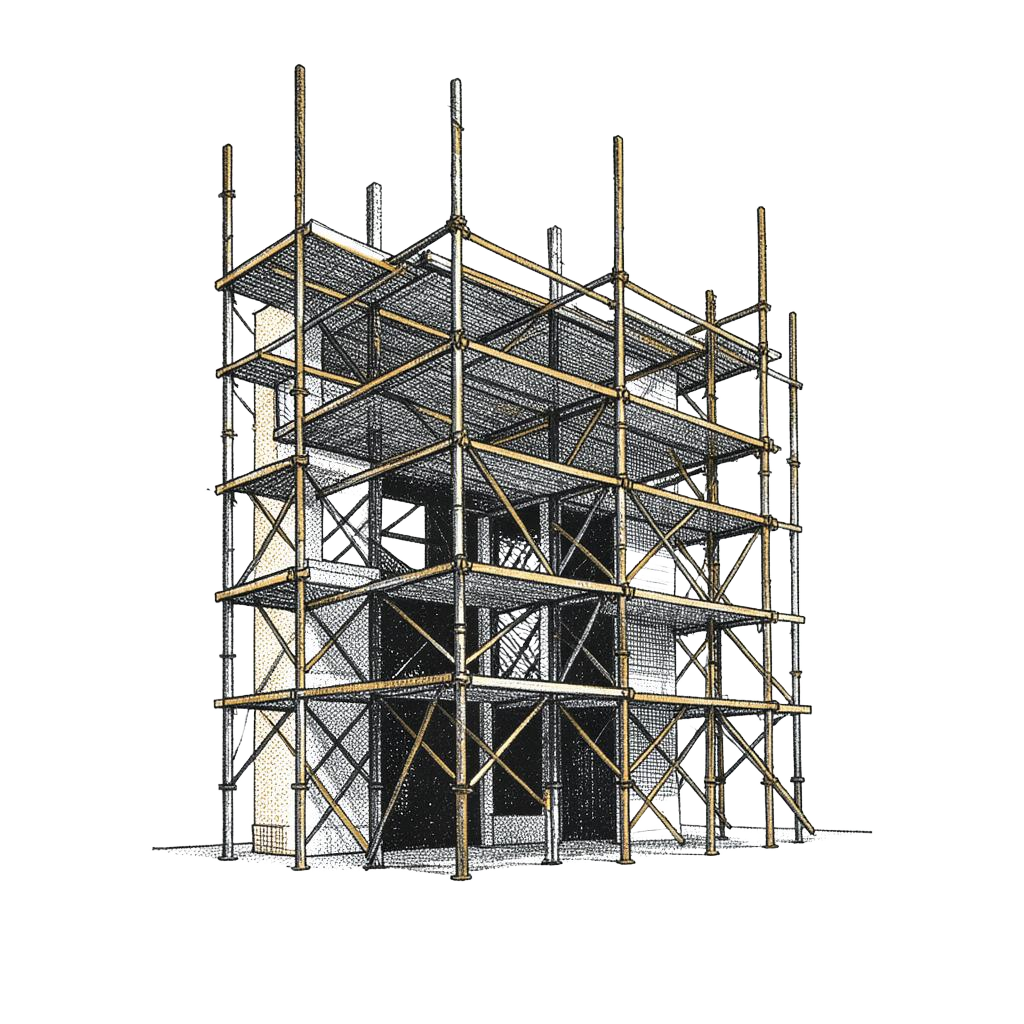
Why a partly built project is harder than a bare site
A bare site has a value that can be established. A partly built one has a value that depends entirely on whether it gets finished.
A lender also has to form a view on the quality of what has already been built by someone who is no longer there. Work that has to be torn out and redone is worse than work that was never started.
What a completion lender needs to see
A current quantity surveyor report on work in place and cost to complete. Title that is clear, or a funded plan to clear it. A contractor who will take the project over on a fixed price basis.
Permits that are still valid, and a sponsor with the means to cover the gap between the loan and the finish line. Where the project is still running but the budget has moved, the cost overrun page is the closer fit.
The lien problem comes first
Under the Builders Lien Act a claim of lien must be filed within forty five days of the certificate of substantial completion or of the end of the contract. No new lender will advance into a title carrying unresolved claims.
Resolving them, by payment, by bonding off, or through the court, generally has to happen before financing rather than alongside it. How holdbacks and draws are meant to work is set out in the construction draws guide.
What this honestly costs
Completion financing is mostly private lender territory. It is priced for the risk, it is short term, and it is designed to be taken out by conventional financing once the building is complete and leased or sold.
Anyone who tells you a stalled project can be refinanced at bank pricing is not being straight with you.
Stalled project questions we hear most.
Related situations
Send us the quantity surveyor report and a title search.
We will tell you whether the project can be financed to completion and what it realistically costs.